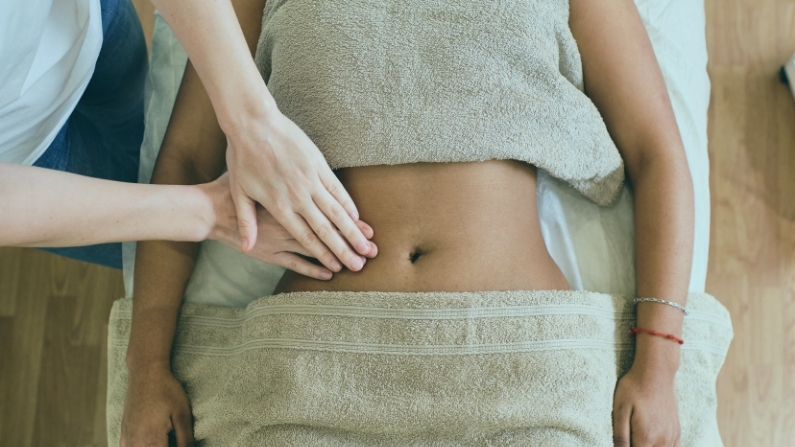
When most people think about core strength, they picture ab muscles. But there’s another group of muscles working quietly in the background that deserves just as much attention: the pelvic floor. These muscles provide essential support for your bladder, bowel, and reproductive organs. Yet, despite their importance, pelvic floor health is often overlooked until a problem arises.
At A Healer’s Hand + The Nest (AHH), we believe that understanding and caring for your pelvic floor is an essential part of optimal health and well-being. Let’s explore what the pelvic floor does, common issues clients face, and how bodywork and therapeutic support can make a difference.
What Is the Pelvic Floor?
The pelvic floor is a group of muscles, ligaments, and connective tissue that stretches like a hammock across the base of your pelvis. These muscles control bladder and bowel function, stabilize the spine and hips, and play a central role in sexual health.
When working properly, they provide both strength and flexibility, adapting to everyday movement and life stages like pregnancy and menopause.
Why Pelvic Floor Health Matters
A strong and balanced pelvic floor contributes to:
- Bladder and bowel control
- Spinal and hip stability
- Comfort during intimacy
- Support throughout pregnancy and postpartum recovery
When the pelvic floor is weak or overly tight, issues such as incontinence, pelvic pain, prolapse, or discomfort can arise. These symptoms may be common, but they are not “normal.” They’re signs that your body needs care and attention.
Life Stages That Affect the Pelvic Floor
The pelvic floor adapts and responds to different phases of life, but certain stages place added stress on these muscles and may require extra support:
- Pregnancy + Birth: Carrying and delivering a baby places significant pressure on pelvic muscles. Supportive care before and after birth can help prevent long-term issues.
- Postpartum Recovery: Healing takes time. Massage and pelvic floor physical therapy can restore strength and reduce discomfort.
- Menopause: Hormonal changes can thin pelvic tissues and reduce elasticity, increasing the need for supportive care.
- Athletics: High-impact activities like running or weightlifting can strain pelvic floor muscles, especially if the core isn’t properly engaged.
In many countries, pelvic floor physical therapy is a standard part of postpartum recovery. Unfortunately, in the United States, it often isn’t, leaving many new parents left to navigate pelvic-related issues or discomfort on their own. Just because these issues are common doesn’t mean they should be ignored. Proactive care, including pelvic floor PT and supportive therapies like massage, can make a world of difference in restoring function and balance after childbirth.
How Massage and Physical Therapy Can Help
Integrating therapeutic massage and physical therapy can support pelvic floor health by:
- Reducing muscular tension through targeted massage and myofascial release.
- Encouraging circulation and lymphatic flow for better tissue health.
- Teaching awareness and alignment so clients can connect with these deep muscles.
- Integrating physical therapy such as visceral manipulation or core stabilization to restore balance.
Our collaborative approach at AHH connects massage therapy with physical therapy support through integrated services in-house. Together, these therapies can reduce pain and restore function.
What Does Pelvic Floor PT Look Like?
If you’ve never experienced pelvic floor physical therapy, the idea can feel a little intimidating. In reality, sessions are collaborative and designed to meet you where you are. A typical appointment may include:
- Conversation and Education: Your PT will start with a thorough intake, discussing your health history, current symptoms, and goals. You’ll learn about how the pelvic floor works and how it connects with the rest of your body.
- Posture and Movement Assessment: Many issues stem from how we generally move. Your PT may observe simple movements to see how your core and pelvic floor are working together.
- Breathwork and Gentle Exercises: You’ll often learn targeted breathing techniques and core engagement exercises that help retrain pelvic muscles in a safe way.
- Hands-On Therapy (External and Sometimes Internal): Depending on your comfort and needs, gentle manual therapy may be used to release tension or restore alignment. Internal work is always discussed openly and requires your consent; it’s never the only option.
- At-Home Support: Most importantly, you’ll leave with simple, tailored strategies to practice at home so progress continues between sessions.
The goal of pelvic floor PT is to address symptoms while also helping you feel more comfortable, confident, and in control of your body.
Taking the First Step
If you’ve experienced leakage when sneezing or discomfort with exercise or sexual intercourse, you’re not alone, and you don’t have to suffer in silence. Talking with a trusted provider is the first step toward better pelvic floor health, and our team is here to help you find better balance and relief.
Book a session today and start supporting your pelvic floor health with compassionate, specialized care.