If you’ve heard of manual lymphatic drainage massage but aren’t quite sure what it is, you’re not alone. Unlike traditional massage, which often focuses on areas of discomfort and muscular tension, manual lymphatic drainage uses very light movements designed specifically to support the body’s lymphatic system.
But what exactly does that mean? And what should you expect from an appointment?
Here’s a closer look at manual lymphatic drainage, how it differs from traditional massage, and what to know before scheduling your first session.
What is the Lymphatic System?
The lymphatic system is an intricate network of organs, tissues, and vessels that plays an important part in maintaining fluid balance and supporting overall immune function. It primarily does this by draining excess fluid from your tissues and helping filter out waste and other substances.
Unlike your circulatory system, however, the lymphatic system doesn’t have a central pump like the heart. Instead, things like muscle contractions, breathing, and general movement throughout the day help move lymph across the body. When that slows down or gets blocked, fluid can build up in tissues and contribute to swelling. Some people may experience feelings of puffiness or heaviness, while more significant problems with lymphatic drainage can result in a condition known as lymphedema.
What is Manual Lymphatic Drainage?
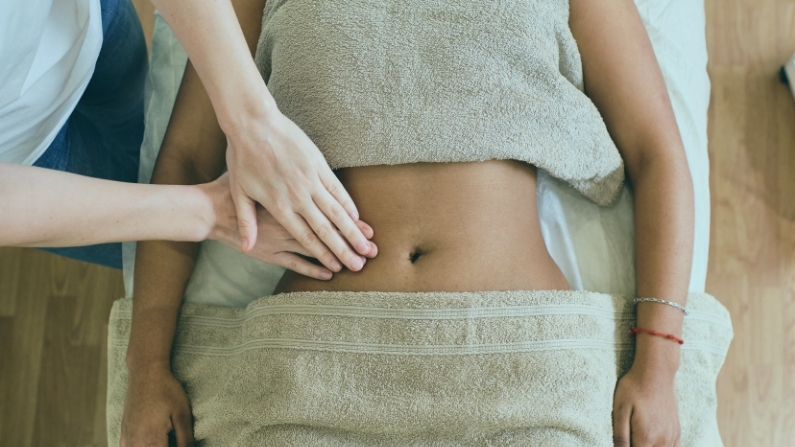
Manual lymphatic drainage (MLD) is a specialized massage technique that uses gentle, rhythmic movements to stimulate the lymphatic system and encourage fluid to move toward areas where it can drain properly. Danish physiotherapists Emil and Estrid Vodder developed the technique in the 1930s, and practitioners still largely base today’s methods on their original approach.
Unlike a traditional therapeutic massage, MLD uses:
- Light, rhythmic pressure, similar to the pressure of a light stroke on the skin
- Slow, circular or pumping movements that follow the direction of lymph flow
- A specific sequence, usually starting near the neck and working outward, since lymph fluid needs a clear path to drain
The goal isn’t to relax tense muscles the way a deep tissue massage does. It’s to encourage fluid movement through a system that’s located just beneath the skin’s surface.
What Does Manual Lymphatic Drainage Feel Like?
One of the biggest surprises for people new to MLD is just how gentle it is.
If you’re accustomed to the firm kneading or deep pressure typically associated with traditional therapeutic massage, MLD may feel very different or even too gentle at first. Just know that this is intentional. Because lymphatic vessels sit close to the surface of the skin, too much pressure can actually collapse them rather than stimulate flow. A trained therapist will use consistent, gentle strokes rather than force.
Sessions typically last 30 to 60 minutes, and many people describe the experience as incredibly calming, perhaps even a little sleep-inducing. A common comparison clients make is that it feels less like a massage and more like a slow, deliberate sweep across the skin, like being brushed rather than kneaded.
Why Do People Get Manual Lymphatic Drainage?
People seek MLD for a variety of reasons, but it is often recommended for:
- Post-surgical swelling, especially after certain cosmetic procedures
- Lymphedema, a chronic swelling condition often linked to cancer treatment or lymph node removal
- General fluid retention or puffiness, including facial swelling
- Athletes looking to reduce swelling and support recovery
- Pregnancy-related swelling, when cleared by a doctor
It’s important to remember that manual lymphatic drainage isn’t appropriate for everyone or every type of swelling. New, unexplained, sudden, or significant swelling should be evaluated by a healthcare professional rather than self-treated with massage.
Who Should Be Cautious or Avoid MLD?
Although MLD is gentle, that doesn’t mean it’s appropriate in every situation. Certain health conditions or other medical circumstances may make MLD inappropriate or require clearance from a healthcare provider. You should check with a doctor before trying it if you have:
- Active infections or cellulitis
- Untreated blood clots (deep vein thrombosis)
- Congestive heart failure
- Kidney problems
- Active cancer that hasn’t been evaluated by your care team
Because MLD encourages fluid movement throughout the body, it’s important to rule out conditions where that movement could cause harm. If you aren’t sure whether MLD is appropriate for you, your massage therapist can help determine whether you should speak with your healthcare provider before scheduling or receiving treatment.
What Happens During an MLD Appointment?
Your first appointment will begin with a conversation about your health history and any current symptoms or concerns you may have. This gives your massage therapist an opportunity to determine whether MLD is appropriate for you and whether any modifications or referrals may be necessary.
During the hands-on portion of the session, you’ll typically lie comfortably on a massage table while your therapist performs a sequence of gentle MLD techniques.
Because MLD follows the lymphatic system rather than simply working on the area where you’re experiencing symptoms, your therapist may begin in a different area of the body than you expect.
As with any massage, you should feel comfortable asking questions and communicating with your therapist throughout your appointment.
What Should You Expect After Manual Lymphatic Drainage?
Everyone responds differently to massage, so there isn’t one specific feeling you should expect afterward.
Some people feel especially relaxed following MLD, while others simply notice that the session felt different from the massage techniques they’re accustomed to.
Your massage therapist may provide individualized recommendations based on your session and reason for receiving MLD. In general, normal daily movement and adequate hydration are good ways to support your body’s overall health and normal lymphatic function. It’s also common to feel like you need to urinate more than usual afterward, which is a sign your body is flushing out the extra fluid.
How Many Sessions Will You Need?
This varies by goal. Post-surgical swelling often improves within a handful of sessions, sometimes scheduled close together in the days right after a procedure. Chronic conditions like lymphedema, on the other hand, may call for an ongoing maintenance schedule developed with your therapist and healthcare provider. General puffiness or occasional swelling may only need a session here and there. Your provider can outline a plan specific to your goals during your first visit.
The Takeaway: Is Manual Lymphatic Drainage Right for You?
If you’re looking for deep pressure or intensive work on tight muscles, therapeutic massage may be a better fit. If you’re interested in reducing swelling with gentle, targeted techniques, MLD may be worth exploring.
At A Healer’s Hand + The Nest, our 60-minute Manual Lymphatic Drainage Massage is designed to provide gentle, focused lymphatic work based on your individual needs. Your massage therapist will review your health history and goals to help ensure the session is appropriate for you.
This article is intended for educational purposes only and is not a substitute for professional medical advice. If you are experiencing new or unexplained swelling or have questions about whether manual lymphatic drainage is appropriate for a medical condition, always consult a qualified healthcare professional.